


Can a Mercedes-Benz Last Forever? High-Mileage Reliability Explained
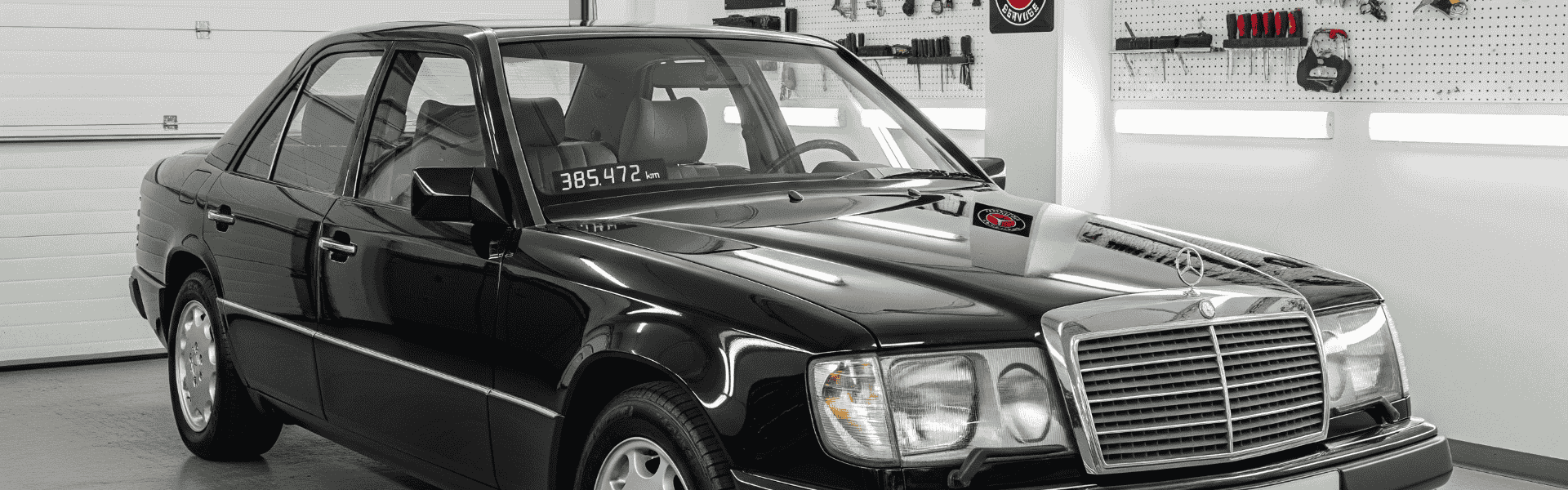
At Rallye Motors, we believe the answer lies in quality engineering and dedicated maintenance. While some older models were considered “high-mileage” at 100,000 miles, modern Mercedes-Benz vehicles are built to be durable, with many models capable of lasting well into the hundreds of thousands of miles with proper care. The key is understanding what to expect and what to prioritize in terms of service.
A Look at Average Life Expectancy by Model
While every vehicle is unique, certain Mercedes-Benz models have earned a reputation for exceptional durability. When a vehicle is properly maintained according to the manufacturer’s schedule, it’s possible to unlock its full potential for longevity. The following table provides a general guide to the average lifespan of popular Mercedes-Benz models based on their engineering and build quality.
| Mercedes-Benz Model | Average Life Expectancy (Miles) | Notes |
|---|---|---|
| E-Class | 200,000 – 250,000 | Often considered the brand’s most reliable and durable line with diligent maintenance. |
| S-Class | 220,000 – 300,000+ | The flagship model built with premium components; repairs can be expensive due to complex systems. |
| C-Class | 180,000 – 220,000 | A slightly shorter lifespan than larger models; durable for its class. |
| M-Class / GLE SUVs | 150,000 – 200,000 | Durable, but typically have a slightly lower average lifespan than the E-Class. |
As the data illustrates, many Mercedes-Benz vehicles are engineered to be long-term companions. Think of the 100,000-mile mark not as the end, but as a milestone that can be surpassed with proactive care.
Common Issues After 100,000 Miles
As a Mercedes-Benz passes the 100,000-mile mark, certain maintenance items become more common and critical. The complexity and high-tech nature of these vehicles mean that while their core mechanical parts are durable, other components may require attention.
- Air Suspension Problems: Many higher-end models (S-Class, E-Class) are equipped with air suspension systems for a smoother ride. Over time, these can develop leaks or compressor failures, leading to an uneven ride height and costly repairs.
- Electrical and Sensor Glitches: The sheer number of electronic components in a Mercedes-Benz means they are susceptible to issues with infotainment systems, sensors, and wiring.
- Engine-Related Issues: As the engine ages, problems such as oil leaks from valve cover gaskets, worn-out engine mounts, and mass airflow sensor failures can become more common.
- Transmission Issues: While Mercedes-Benz transmissions are generally robust, owners of high-mileage vehicles have reported issues with delayed gear shifts or jerky acceleration. Regular transmission fluid and filter changes are critical for long-term health.
The Rallye Motors Promise
A Mercedes-Benz’s life after 100,000 miles is not a gamble; it’s a testament to the owner’s commitment to maintenance. Following the manufacturer’s recommended service schedule is crucial, and it’s especially important to address any warning signs immediately to prevent a small issue from becoming a costly repair. The longevity of a Mercedes-Benz depends less on the number of miles and more on the quality of care it receives.
At Rallye Motors, our dedicated service department is equipped with the specialized knowledge and tools necessary to maintain your vehicle’s peak performance. We understand the intricacies of Mercedes-Benz engineering and are committed to ensuring your car operates as intended, providing you with the peace of mind to enjoy your vehicle for years to come.
0 comment(s) so far on Can a Mercedes-Benz Last Forever? High-Mileage Reliability Explained